If you are choosing between North of Montana and Ocean Avenue, you are really choosing between two very different versions of Santa Monica living. Both put you in one of the Westside’s most recognized coastal cities, but the day-to-day experience can feel surprisingly different once you factor in housing type, privacy, views, maintenance, and how you like to move through your week. This guide breaks down the lifestyle tradeoffs so you can decide which setting fits the way you actually want to live. Let’s dive in.
Santa Monica Setting at a Glance
Santa Monica packs a lot into about 8.3 square miles, with roughly three miles of Pacific shoreline and more than 8 million annual visitors. It is also notably walkable and bike-friendly by Los Angeles standards, with the City highlighting more than 100 miles of bike facilities and strong support for walking, biking, and Big Blue Bus access.
That broader context matters when you compare North of Montana and Ocean Avenue. Both benefit from Santa Monica’s compact layout and coastal access, but they deliver that lifestyle in very different ways.
North of Montana Character
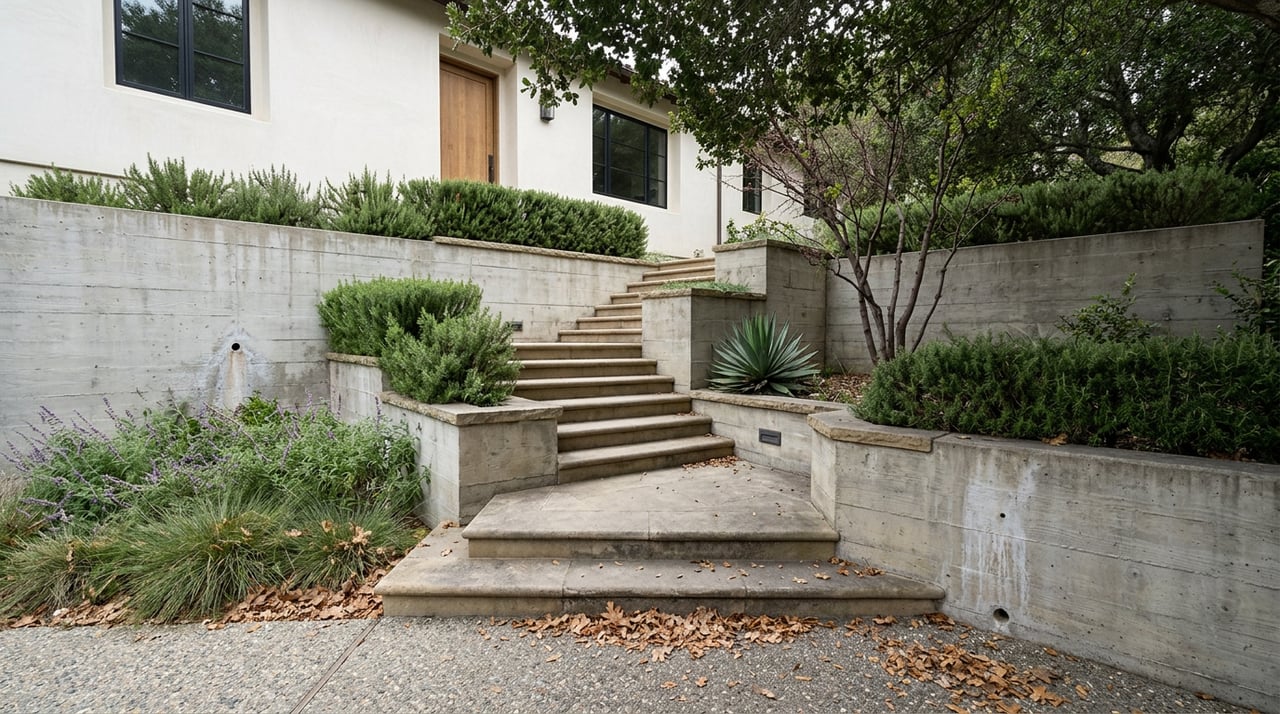
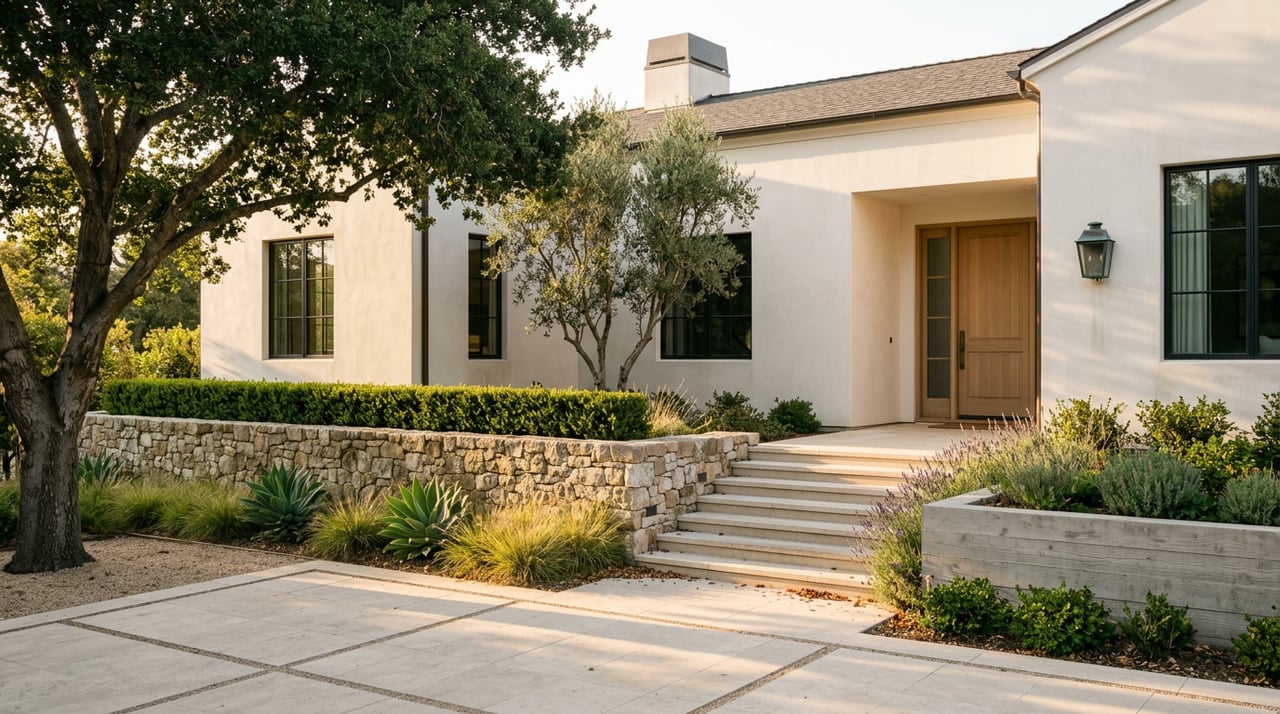
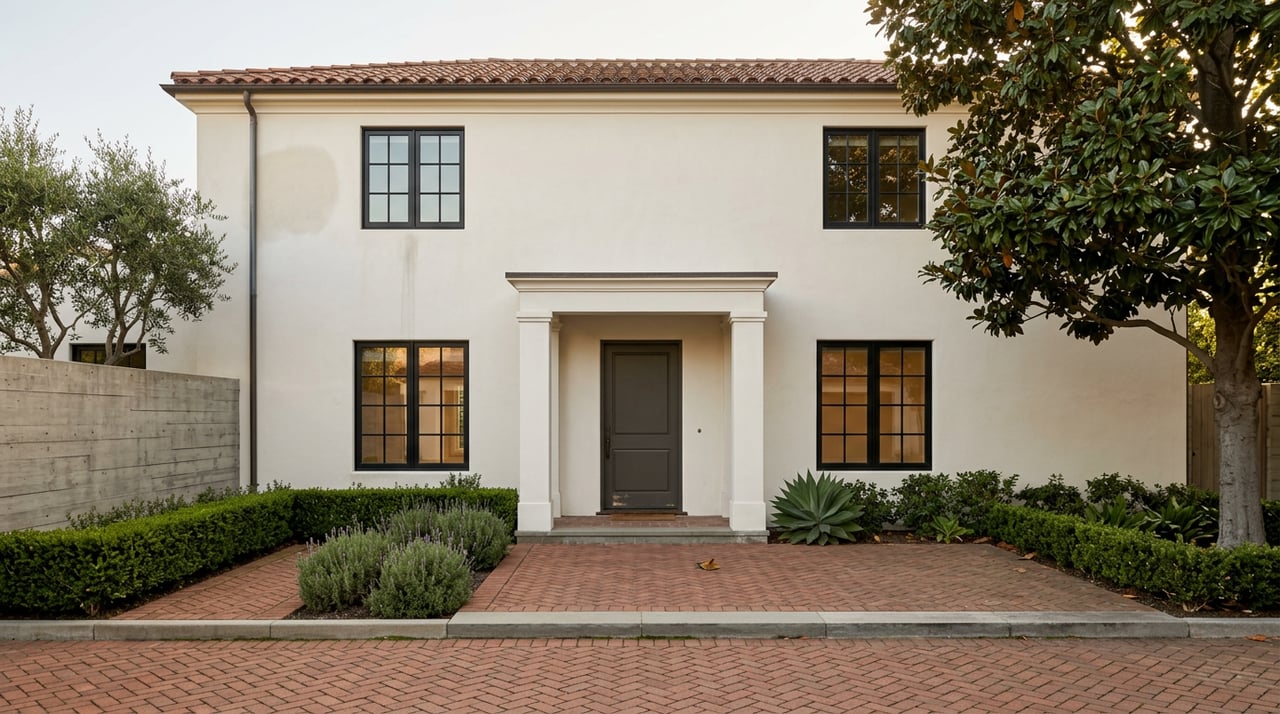
According to City of Santa Monica planning materials, North of Montana is generally defined by lower-density, one- to two-story single-family housing on large parcels along tree-lined streets. Much of the area is zoned for single-family or low-density housing, and Montana Avenue serves as the primary commercial corridor with low-scale retail and restaurant uses.
In practical terms, that usually means a more residential rhythm. You are more likely to find detached homes, individualized outdoor space, and a setting that feels tucked away from Santa Monica’s busier visitor areas.
What daily life often feels like
North of Montana tends to appeal to buyers who want a quieter residential cadence without giving up neighborhood convenience. Montana Avenue still gives you access to shops and dining, but the area’s overall form remains more residential than visitor-heavy.
The result is often a lifestyle centered on home. If your ideal day includes a tree-lined street, more separation from neighbors, and a detached-home feel, this part of Santa Monica tends to align well with that preference.
Ocean Avenue Character
Ocean Avenue offers a more urban edge. Santa Monica’s downtown land use planning notes that the stretch south of California Avenue has long included commercial uses, hotels, restaurants, and high-rise buildings, and the City describes Ocean Avenue as one of Santa Monica’s most iconic and heavily used corridors.
It also sits beside one of the city’s signature natural assets. Palisades Park runs along the bluff at Ocean Avenue, with broad views of Santa Monica Bay that help define the experience of living there.
What daily life often feels like
Ocean Avenue tends to place you closer to Santa Monica’s headline destinations. The City’s Ocean Avenue Project connects the Downtown Santa Monica Metro light rail station to the beach with a protected bikeway, and the Pier Bridge is the key pedestrian and vehicular connection between Ocean Avenue and the Santa Monica Pier.
That means your surroundings can feel active, connected, and highly visible. If you want beach adjacency, bluff-top views, and easy access to downtown amenities, Ocean Avenue usually delivers that more directly than North of Montana.
Privacy vs Proximity
For many buyers, this is the core tradeoff.
North of Montana is generally associated with larger parcels, lower-density housing, and tree-lined residential streets. While that does not guarantee that every property feels equally quiet or private, the area’s physical form often supports a calmer, more sheltered living experience.
Ocean Avenue flips that equation. It is the clearer choice for direct ocean and bluff-top views, but it is also a high-traffic, highly used corridor with more visitor-serving activity nearby.
Choose North of Montana if you value
- Detached-home living
- More individualized outdoor space
- A quieter residential pattern
- Greater separation from denser buildings and visitor traffic
Choose Ocean Avenue if you value
- Immediate access to the coast
- Ocean and bluff-top views
- Walkable access to major Santa Monica destinations
- A more urban, amenity-rich setting
Housing Style and Ownership Experience
The built environment shapes not just how a neighborhood looks, but how ownership feels.
North of Montana is dominated by detached homes, which often means more control over your property and more direct responsibility for maintenance and repairs. In contrast, Ocean Avenue includes medium- and high-density residential buildings, which more often align with condo-style ownership and shared building operations.
For some buyers, that difference is central. One path offers more autonomy and private space. The other can offer a simpler, more maintenance-light setup that works well for second-home owners or buyers who travel frequently.
Lock-and-Leave vs Hands-On Ownership
Ocean Avenue condo living often fits a lock-and-leave lifestyle. Because the corridor includes larger residential buildings alongside hospitality and public-facing uses, it can appeal to buyers who want less day-to-day exterior upkeep and more shared-building support.
North of Montana tends to be the opposite. Detached-home ownership usually brings more control, but it also means more homeowner responsibility for landscaping, systems, and exterior maintenance.
Neither option is automatically better. It comes down to whether you prefer convenience and shared management or privacy and direct control.
HOA and Carrying Costs to Know
If you are considering a condo on Ocean Avenue, California ownership rules make HOA review a major part of your due diligence. The California Department of Real Estate states that when you buy a home, townhouse, lot, or condominium in a common interest development, HOA membership is automatic.
That matters because the HOA can set rules through its governing documents and can levy dues, assessments, and fines. Monthly costs may cover operating expenses, reserves, administration, and contingency funding, and special assessments may be charged for extraordinary repairs or replacements, subject to legal limits and the governing documents.
What condo buyers should review
Before buying in a common interest development, the California Department of Real Estate says buyers should review:
- The public report
- CC&Rs
- Bylaws and rules
- The HOA budget
- The reserve study or reserve summary
- Insurance information
- Any indications of pending repairs or special assessments
The reserve disclosures are especially important. California guidance requires disclosure of reserve levels, estimated remaining life and replacement cost of major components, reserve deficiency on a per-unit basis, and whether special assessments or borrowing may be needed.
What detached-home buyers should expect
A detached-home buyer often avoids monthly HOA dues unless the property belongs to a separate association. But that does not mean ownership is simpler. It usually means repair costs are less shared and sometimes less predictable, because you are directly responsible for the home’s upkeep.
If you are comparing North of Montana to Ocean Avenue, this is one of the most practical differences in long-term carrying costs. Condos may bring recurring dues and shared governance, while detached homes may bring fewer shared fees but more individual maintenance exposure.
Walkability and Getting Around
Both locations benefit from Santa Monica’s broader mobility network, but they serve different patterns.
North of Montana offers neighborhood convenience through the Montana Avenue business corridor. You can enjoy nearby shops and restaurants while still living in an area the City describes as primarily low-density and residential.
Ocean Avenue offers stronger proximity to Santa Monica’s beach and downtown activity. With the protected bikeway connection toward downtown transit and the Pier Bridge linking the area to the Santa Monica Pier, it is a better fit if your routine includes frequent beach access or a more active urban-coastal rhythm.
Which Buyer Usually Fits Each Area?
While every move is personal, the broad fit is fairly consistent.
North of Montana often suits buyers who prioritize detached-home living, privacy, outdoor space, and a quieter neighborhood feel. Ocean Avenue often suits buyers who prioritize views, beach adjacency, and a more maintenance-light lifestyle centered around condo living and easy access to Santa Monica’s most recognizable destinations.
If you are relocating from outside Los Angeles, the choice often becomes even clearer when you think beyond square footage. Ask yourself whether you want your home to feel like a retreat from activity or a front-row seat to it.
How to Decide with Confidence
The most useful way to compare these two Santa Monica locations is to focus on daily living, not just prestige or price point. Think about how often you travel, how much exterior upkeep you want to manage, whether views matter more than privacy, and whether your ideal weekend starts on a quiet residential street or by stepping out toward the bluff and beach.
That kind of clarity tends to make the right neighborhood feel obvious. In Santa Monica, North of Montana and Ocean Avenue can both be exceptional choices, but they tell very different lifestyle stories.
If you want a tailored read on which Santa Monica lifestyle fits your goals, Morgan Goldberg offers a refined, highly personalized approach to buying and selling along the Westside, with the local insight and discretion luxury clients value most.
FAQs
What is the main lifestyle difference between North of Montana and Ocean Avenue in Santa Monica?
- North of Montana generally offers a lower-density, detached-home setting with a more residential feel, while Ocean Avenue generally offers a denser, more urban coastal setting with easier access to the beach, downtown, and bluff-top views.
What kind of homes are more common in North of Montana Santa Monica?
- City planning materials describe North of Montana as generally consisting of one- to two-story single-family housing on large parcels along tree-lined streets, with mostly single-family or low-density zoning.
What kind of homes are more common on Ocean Avenue Santa Monica?
- Ocean Avenue includes medium- and high-density housing and long-standing commercial and visitor-serving uses, including hotels, restaurants, and high-rise buildings in parts of the corridor.
Are Ocean Avenue condos in Santa Monica likely to have HOA dues?
- Yes. The California Department of Real Estate states that when you buy in a common interest development, HOA membership is automatic, and that ownership can include dues, assessments, rules, and governance requirements.
What should you review before buying a condo on Ocean Avenue in Santa Monica?
- The California Department of Real Estate says you should review the public report, CC&Rs, bylaws, rules, HOA budget, reserve study or summary, insurance information, and any signs of pending repairs or special assessments.
Is North of Montana or Ocean Avenue better for a second home in Santa Monica?
- It depends on your lifestyle. Ocean Avenue may better suit buyers who want a more lock-and-leave ownership pattern, while North of Montana may better suit buyers who want more private space and are comfortable taking on more direct home maintenance.