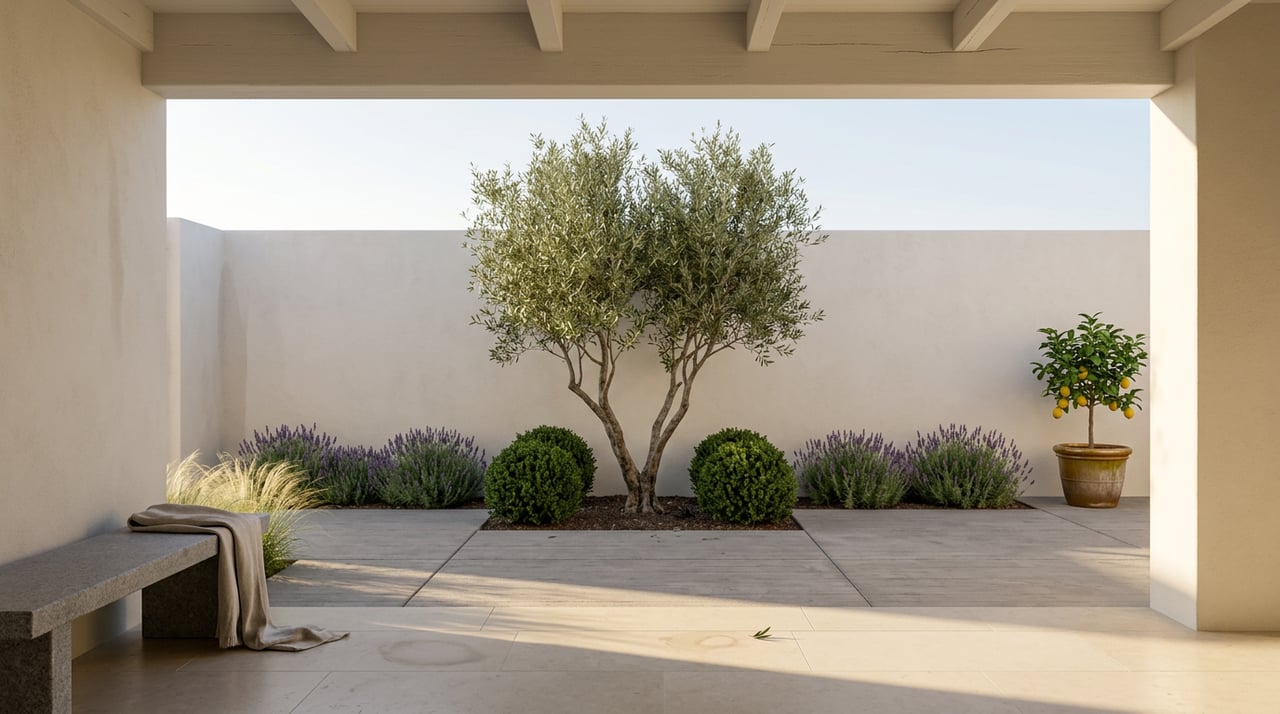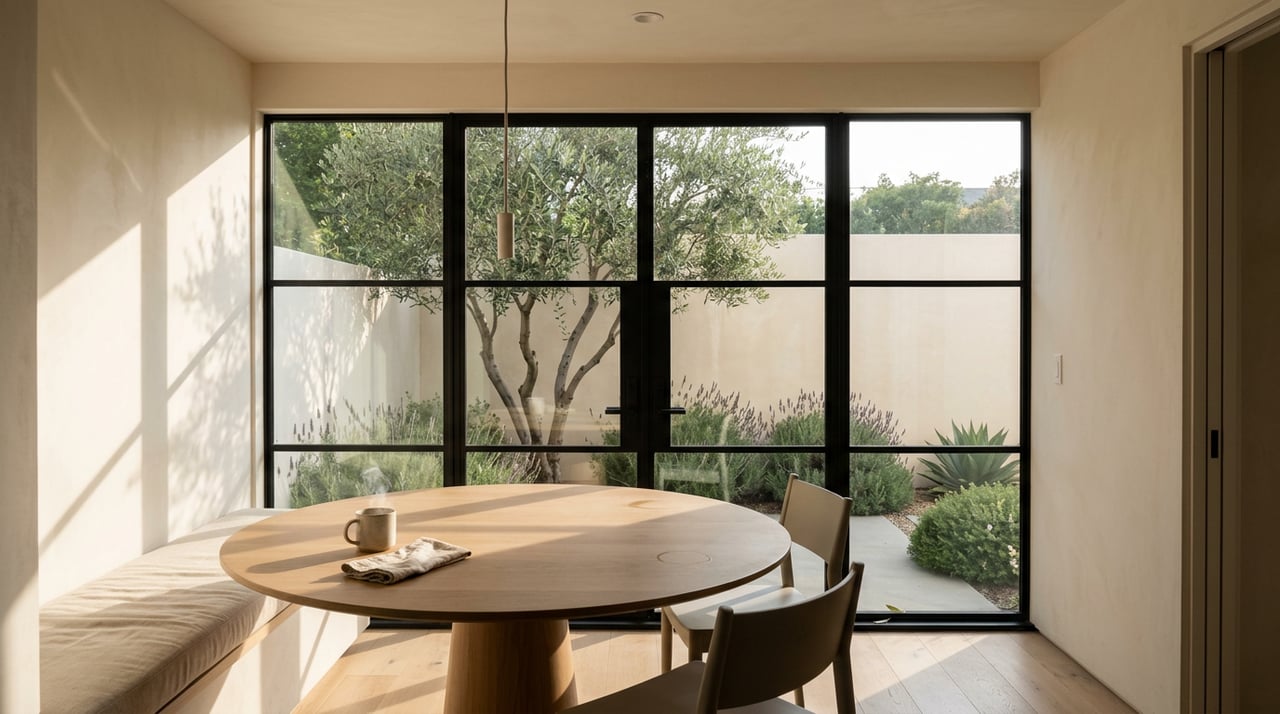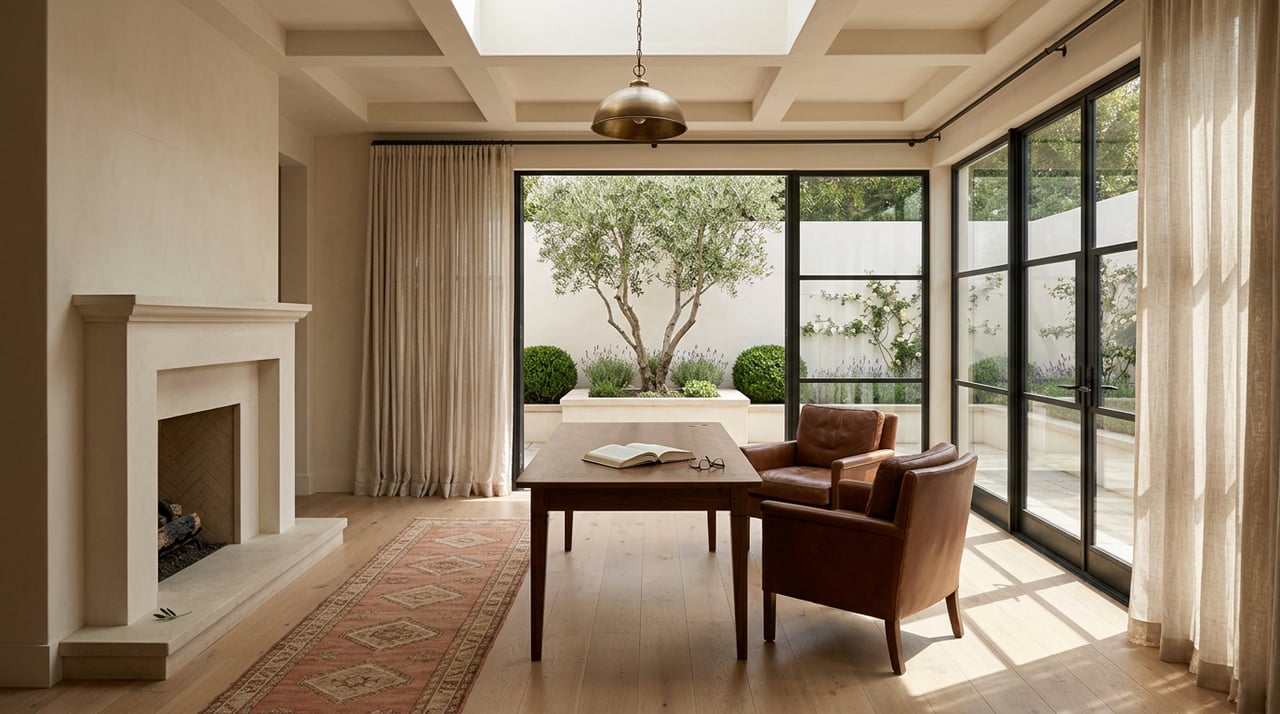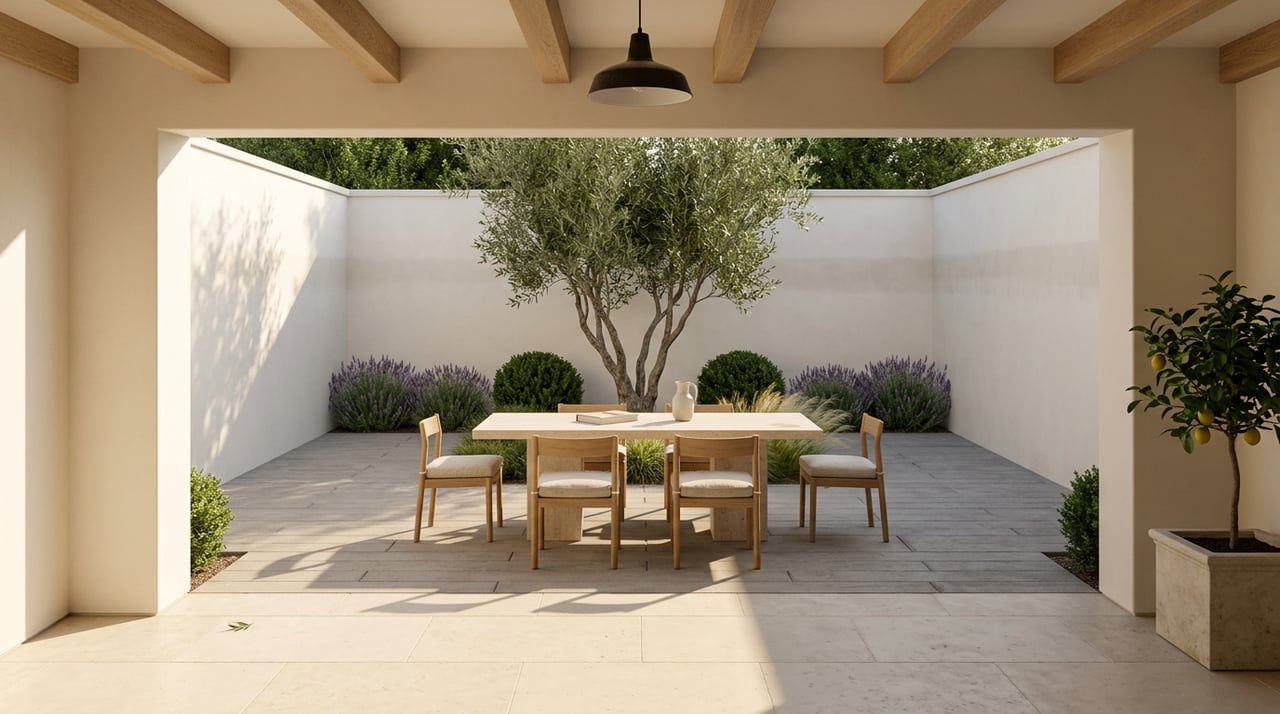
When privacy is your priority, square footage alone will not tell you enough. In Beverly Hills, the way a home sits on its lot, how it meets the street, and what the city allows you to change later can shape your day-to-day discretion just as much as the interiors. If you are buying with privacy in mind, it helps to know what actually creates separation here and what to review before you commit. Let’s dive in.
Privacy Starts With the Parcel
In Beverly Hills, privacy is not governed by one simple citywide rule. The city separates single-family properties into the Central Area, Hillside Area, and Trousdale Estates, and each comes with a different regulatory framework, as outlined in the city’s single-family regulations overview.
That matters because a private-feeling home is often defined first by the parcel itself. Lot orientation, elevation changes, street exposure, and the home’s position on the pad can all influence how visible the property feels from the street and from neighboring homes.
For buyers, the practical takeaway is simple: privacy in Beverly Hills is highly parcel-specific. A well-sited home on a more exposed street can feel more discreet than a larger home on a less favorable lot.
Know the Area Rules First
Before you rely on listing language like “private” or “secluded,” confirm which single-family area the home falls into. Beverly Hills provides zoning code maps and single-family area maps so you can verify whether a property is in the Central Area, Hillside Area, or Trousdale Estates.
In the Central Area, exterior portions of a residence visible from a public street are subject to design review. In the Hillside Area, there is no separate design-review process, but the code still places emphasis on setbacks, height, privacy, and view preservation. Trousdale Estates has its own framework related to hedges and view restoration.
This is one of the first due-diligence steps worth taking. If you may want to add screening, revise frontage, or rework approach and access after closing, the governing area can shape what is realistic.
Street Exposure Changes Everything
A home’s front exposure is one of the clearest signals of how private it will feel in everyday use. In the Central Area, Beverly Hills allows limited front-setback averaging and some corner-lot adjustments, but it also limits front-yard encroachments and caps cumulative encroachments, according to the city code on setbacks and yard requirements.
Two homes may have similar lot sizes and similar asking prices, but very different privacy profiles from the street. A deeper setback, a softer angle to the street, or less direct front exposure can create a quieter arrival experience without requiring any major changes.
When you tour, pay attention to what a passerby can see from the curb. The more visible the front door, windows, and outdoor space are from the street, the more important the rest of the site plan becomes.
Driveway Layout Is a Privacy Clue
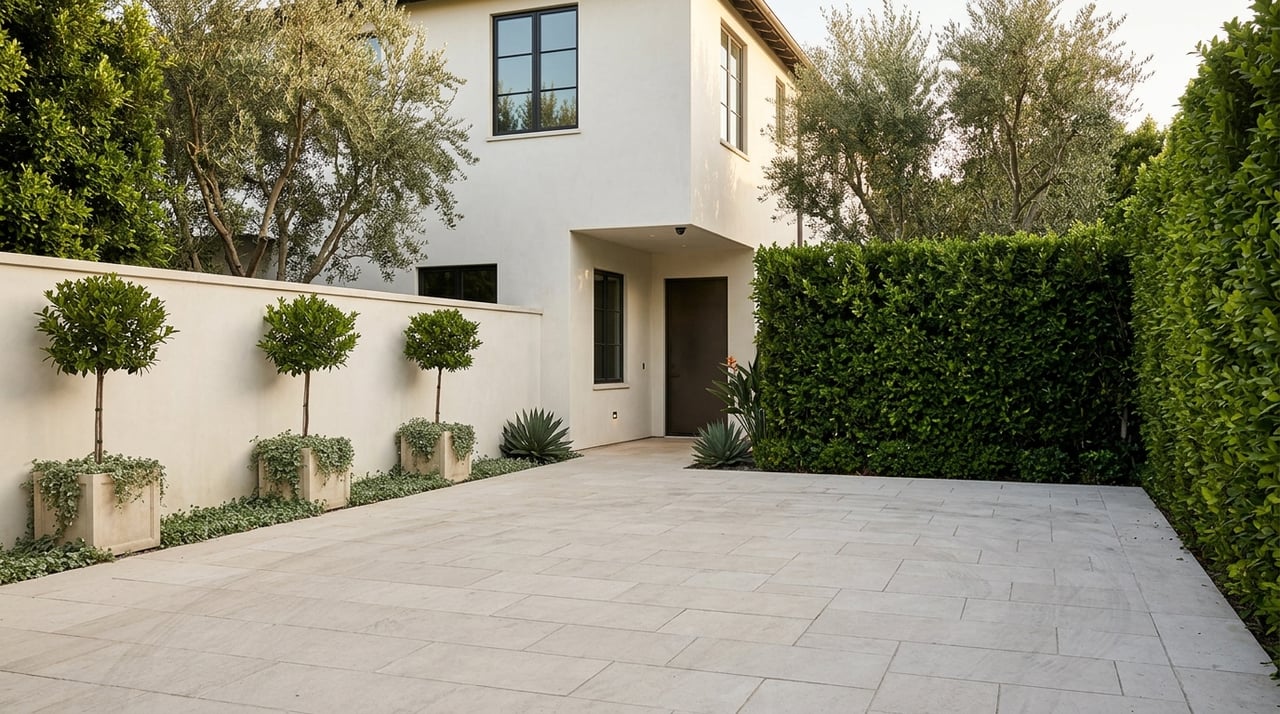
If you want a discreet arrival, study the driveway before you study the finishes. Beverly Hills regulations in the Central Area state that required parking cannot be placed in a front yard or street-side yard, and parking visible from a street or adjacent property must be screened, under the code section covering parking and screening rules.
In practice, a concealed motor court, side-loaded garage, or alley-oriented access often feels more private than a front-facing garage that presents directly to the street. Even where a home is gated, the whole sequence of approach still matters.
A gate alone does not guarantee discretion. Beverly Hills treats fences, gates, and walls in front-yard areas as regulated features, which means the entry composition should be evaluated as a whole, not as a single design element.
Walls and Hedges Have Real Limits
Many buyers assume privacy can be added later with taller walls or denser hedges. In Beverly Hills, that is not always the case. The city limits walls, fences, and hedges to 3 feet in the first 20 percent of the front yard and to 6 feet farther back, with anything above 3 feet required to remain open to public view under the municipal code section on wall, fence, and hedge standards.
That means the front yard may offer less opportunity for full visual screening than buyers expect. Side and rear yards can allow more height, but those areas are also regulated.
If a home already relies heavily on front-yard hedging or fencing to feel private, ask whether those features are already at the practical code limit. That question can help you understand how much flexibility you will really have later.
Hillside and Trousdale Privacy Is Nuanced
Homes in hillside settings or Trousdale Estates often appeal to privacy-focused buyers because topography can create natural separation. In general, these parcels may offer more distance, elevation change, and more controlled sightlines than flatter sites.
But they also come with view-sensitive rules. In the Hillside Area, no structure may exceed 14 feet if that height would substantially disrupt a basin view from a nearby level pad, and review standards explicitly consider privacy, light, and air, as reflected in the city code related to hillside development standards.
In Trousdale Estates, hedge height on slopes between neighboring properties is also regulated to protect views. So while hillside and Trousdale parcels can be excellent for discretion, the safest assumption is still that privacy depends on the individual site, not the neighborhood name alone.
Landscaping Must Balance Privacy and Safety
Landscaping can be one of the most effective tools for softening sightlines, screening outdoor spaces, and creating a calmer sense of arrival. In Beverly Hills, though, planting strategy should also be viewed through a safety lens.
The city states that the north end of Beverly Hills is in a Very High Fire Hazard Severity Zone and requires ongoing vegetation maintenance, annual brush-clearance inspections on or after April 1, and compliance with related safety rules through its Brush Clearance Program.
For buyers, that means dense screening and privacy hedges should be evaluated alongside defensible space, access, and long-term maintenance. A beautiful landscape plan needs to work both visually and practically.
Ask What Can Be Added Later
One of the most important privacy questions is not what the property has now. It is what the parcel would legally allow after you close. Beverly Hills requires a building permit for any wall or fence taller than 6 feet, and for any wall or fence in a front yard regardless of height, according to the city code on building permit requirements for walls and fences.
That can surprise buyers who assume post-closing privacy upgrades will be simple. In the Central Area, any changes visible from a public street may also intersect with the city’s design-review process for exterior portions of the home.
A smart due-diligence conversation looks beyond today’s photos. It asks whether future screening, gates, walls, frontage changes, or revised landscaping would be allowed under the parcel’s specific rules.
What to Check During a Tour
A privacy-focused showing should feel different from a standard home tour. Instead of looking only at finishes, pay attention to how the property actually lives from arrival to outdoor use.
Here are the most useful on-site checks:
- Look at neighboring sightlines into the yard, pool, and major living areas.
- Notice whether the lot sits above, below, or level with adjacent homes.
- Study the driveway’s relationship to the street and whether parking is hidden or screened.
- Check what is visible from the curb, especially entry doors and main windows.
- Ask whether existing walls, fences, or hedges are already near code limits.
- Consider whether the outdoor space feels private during normal daytime use, not just in listing photography.
These details often matter more than a dramatic gate or lush staging. They are the features that shape how discreet the home feels every day.
Security Should Be Part of the Purchase
Privacy and security overlap, but they are not the same thing. If security is a top priority, Beverly Hills offers several official resources that can support your planning.
The city launched Beverly Hills Connect in February 2025, a voluntary camera-based public safety program that allows residents and business owners to register public-facing cameras or integrate them with the Beverly Hills Police Department’s Real Time Watch Center. The city says Level 1 registration does not provide live access, while Level 2 integration does.
The police department also provides public-facing tools and community resources through its Community Relations Unit and related public safety pages, including Neighborhood Watch, BHPDalert text notifications, anonymous tips, security assessments, vacation-watch requests, and public safety information.
For emergency preparedness, the city maintains layered systems through its Alerts and Notification Systems page, including emergency alerts, BHPDalert texts, BEVHILLS text alerts, outdoor warning sirens, and wildfire evacuation information.
Review Smart-Home Systems Carefully
In luxury homes, privacy also extends to digital systems. Cameras, locks, alarms, lighting controls, and climate systems often transfer with the property, and they should be treated as part of your due diligence.
The FTC advises buyers to inventory connected devices, reset them to factory settings, review privacy settings, and update software after purchase. The same guidance notes the importance of taking control of account access before relying on any existing system.
The FTC also recommends reviewing home-security contracts carefully, including monitoring fees, contract length, warranties, cancellation terms, backup battery arrangements, and responsibility for repairs, as outlined in its guide on shopping for a home security system.
For a high-value property, this review is just as important as checking the hardware itself. A sophisticated system only helps if ownership, access, and service terms are clear.
A Better Way to Buy for Privacy
The most private Beverly Hills home is not always the one with the tallest hedge or the most dramatic gate. Often, it is the one where the lot, elevation, access, and legal framework already support a more discreet way of living.
That is why privacy-focused buying works best when you evaluate the parcel, not just the presentation. When you understand street exposure, driveway layout, screening limits, future permit constraints, and security infrastructure up front, you can make a more informed decision with fewer surprises later.
If you are searching for a Beverly Hills property where discretion, design, and day-to-day livability all matter, Morgan Goldberg offers a thoughtful, concierge-level approach to finding the right fit.
FAQs
What makes a Beverly Hills luxury home feel more private?
- A Beverly Hills home often feels more private because of parcel-specific features such as lot orientation, elevation, setback depth, driveway layout, and neighboring sightlines, not just gates or landscaping.
Can you add taller privacy walls after buying a Beverly Hills home?
- Sometimes, but Beverly Hills regulates front-yard walls, fences, and hedges closely, and permits are required for any wall or fence taller than 6 feet and for any wall or fence in a front yard.
Are hillside Beverly Hills homes always more private?
- No. Hillside homes can offer more natural separation, but privacy is still parcel-specific and may be affected by view-preservation, height, hedge, and slope-related regulations.
What should buyers inspect for privacy during a Beverly Hills home tour?
- Buyers should inspect neighboring sightlines, lot elevation, driveway exposure, visible parking, front-door visibility, and whether existing hedges or walls may already be near code limits.
What Beverly Hills public safety resources can support a privacy-focused homeowner?
- Useful resources include Beverly Hills Connect, BHPDalert, Neighborhood Watch, security assessments, vacation-watch requests, emergency alerts, and wildfire evacuation information provided by the city.
What should buyers do with smart-home devices in a Beverly Hills luxury home?
- Buyers should inventory connected devices, reset them, change account access, review privacy settings, update software, and review any monitoring or service contracts before relying on the system.